Turkey Symbolism: Abundance and Spiritual Gratitude
Turkey is an important part of many cultures. It stands for abundance and gratitude. Indigenous communities often celebrate the harvest with turkey, honoring the earth and its gifts. During Thanksgiving, turkey plays a big role in family gatherings. It reminds us to be thankful and appreciate what we have.
When we think about turkey, we can reflect on our connections with others. It encourages us to share meals and create memories together. Each tradition tells a story about nourishment and togetherness.
So, what does the turkey mean to you? How do you celebrate with this special bird? Think about the feelings and stories that come with it. Turkey is more than just food; it brings people together.
Key Takeaways
Turkeys are a symbol of plenty and thankfulness. They help us celebrate the gifts from nature during harvest events like Thanksgiving.
In many Indigenous cultures, turkeys have a special meaning. They connect people to the land and their ancestors.
When families share a turkey meal, it strengthens their bonds. It creates moments of appreciation and love among family members.


Last update on 2026-06-03 / Affiliate links / Images from Amazon Product Advertising API
Art shows often feature turkeys. These images celebrate abundance and the joy of being together during meals.
Cooking and sharing turkey helps us think about our past. It reminds us to be grateful for our loved ones and the traditions we share.
The Historical Significance of Turkeys in Various Cultures

Many people think of turkeys as just a big meal for holiday dinners.
But turkeys have a special meaning in different cultures. For Indigenous cultures, turkeys are more than food. They show respect for traditions and help tell stories about the community.
Turkeys also remind us of gratitude and the important cycles of life in farming.
In Mesoamerican societies, turkeys are part of ceremonies. These events bring communities together and show a shared love for nature and farming.
When we learn about these meanings, we see that turkeys aren't just for eating. They help connect people and keep traditions alive from one generation to the next.
Turkey as a Symbol of Harvest and Abundance
As you gather with friends and family for the harvest season, the turkey sits proudly on the table, symbolizing plenty and thankfulness.
During Thanksgiving, this beautiful bird is more than just food; it represents the gifts that nature gives us. Each dish you prepare connects you to old traditions that praise the harvest and bring people together.
When the turkey is roasted to a lovely golden color, it not only fills your stomach but also lifts your spirit. It reminds you of your ancestors who celebrated their hard work and the food they grew.
While sharing stories with loved ones around the table, the turkey shows the values of sharing, gratitude, and community. It adds meaning to your family traditions, making each celebration special.
Spiritual Connections: Turkey in Indigenous Traditions
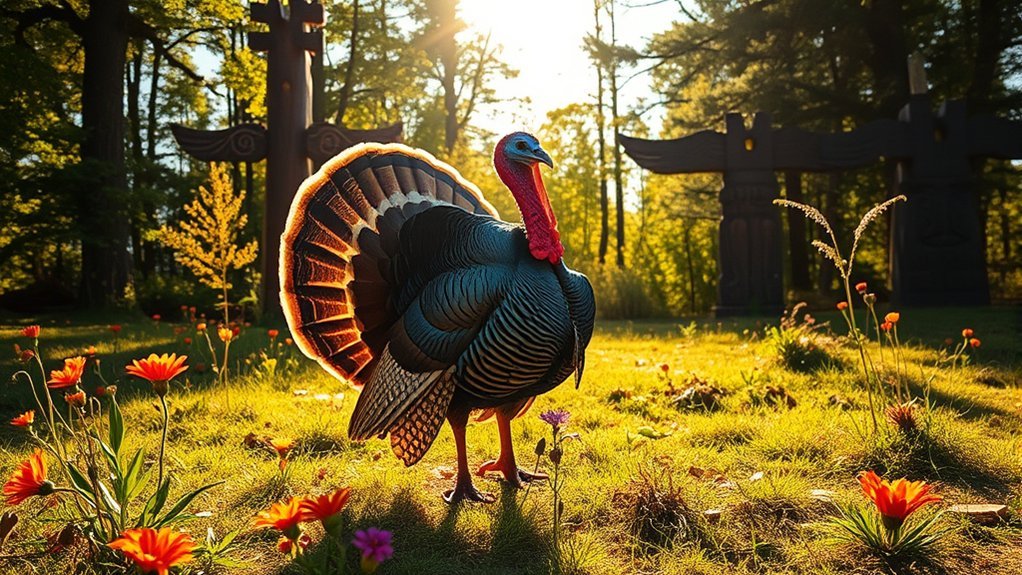
Turkey is important in many Indigenous traditions. It holds a special meaning in their culture and spirituality.


Last update on 2026-06-03 / Affiliate links / Images from Amazon Product Advertising API
In different tribes, turkey represents abundance and nourishment. It's commonly used in rituals and celebrations, creating a link to the land and ancestors.
Turkey also symbolizes community and thankfulness. When friends and family come together to share turkey, they're joining a long-standing tradition. They honor those who lived before them and remember their history. Eating turkey isn't just about food; it's about connection and respect for the earth.
This bird is valued for its ability to provide life and reminds us to appreciate our ties to nature and all living things. By enjoying turkey, we celebrate togetherness and gratitude.
The Role of Turkey in Thanksgiving Celebrations
Turkey plays a big role in Thanksgiving celebrations. It symbolizes togetherness and thankfulness, keeping traditions alive for many years. When you get together with family and friends, the smell of turkey cooking fills the room. This smell helps create a warm and friendly atmosphere.
Preparing the turkey involves several steps like brining and roasting. These activities invite everyone to join in, making cooking a team effort. While you cook, you might remember fun stories from past Thanksgivings. Each bite of turkey can remind you of laughter and love shared with family over the years.
Turkey also stands for abundance. Thanksgiving is a time to think about all the good things in our lives. In these special moments, you see that the meal isn't just about the food.
It's about being together and appreciating the people in your life. This time helps us remember to say thank you for those we love.
Symbolism of Turkey in Art and Literature
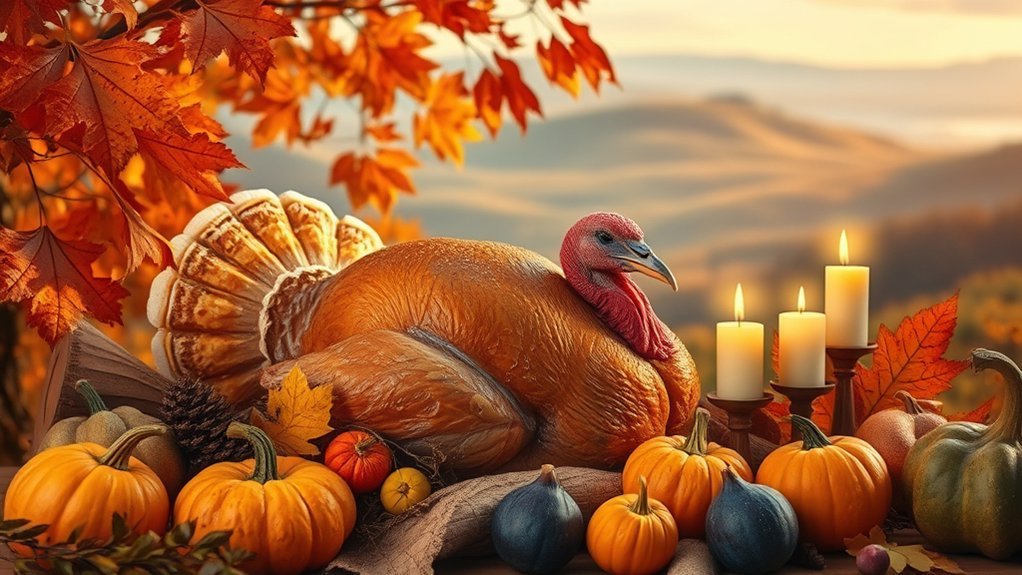
The turkey is a symbol of plenty and thankfulness. You can often see turkeys in paintings and poems that celebrate harvest time and family gatherings.
When writers talk about turkeys, they often connect them to feasting and family fun, showing how important these traditions are to us.
This bird means much more than just being dinner. It represents how people come together during special moments.
Art and stories about turkeys remind us of the love shared in family get-togethers and the joy of celebrating with friends.
When you think of turkey images, you can almost feel the warmth and happiness of being with loved ones.
Turkey as a Metaphor for Community and Togetherness
A turkey at festive gatherings brings people together. It represents shared meals and traditions. When families sit around the table, the turkey shows how we care for one another and feel connected.
- It helps us share stories and pass down our culture.
- It welcomes everyone, making sure no one feels left out.
- It stands out as a focal point that everyone notices.
In these special times, the turkey is more than just dinner. It symbolizes unity. Each slice shared sparks conversation and laughter. It reminds us that being together is what truly counts.
Regional Variations in Turkey Symbolism
Turkey is a popular dish in many festive meals. Its meaning can differ greatly from one place to another, showing local customs and traditions.
In New England, turkey stands for good fortune. People serve it with cranberry sauce and stuffing. This meal brings feelings of thankfulness.
In the Southern U.S., turkey is often deep-fried. This style of cooking shows the joy of sharing food with family and friends. It brings everyone together.
For Native Americans, turkey represents plenty and a strong bond with the earth. Different ways of cooking turkey tell unique stories. The flavors and traditions create a rich mix of meanings related to community and gratitude.
Recognizing these differences helps us see that turkey is more than just food. It symbolizes togetherness and thankfulness across various cultures.
The Role of Turkey in Modern Rituals and Celebrations
When families come together for a holiday meal, turkey is often the star of the table. This bird represents more than just food; it carries deep meaning for many people. Turkey stands for abundance and connects families across generations.
- It's the main dish that helps people bond and enjoy time together.
- Cooking turkey can be a special tradition filled with memories.
- Turkey helps us show thanks for the harvest and the relationships that support us.
During these meals, you connect with your heritage and feel a sense of belonging.
Sharing a turkey dinner brings joy and warmth to every gathering.
Embracing Gratitude: Lessons From Turkey Symbolism
Turkey symbolism helps us look at gratitude in a new way. In many cultures, the turkey stands for abundance. It reminds us of the good things we share during festive times with family and friends.
Think about how a turkey often takes center stage at celebrations. It's not just a meal; it brings people together.
When we sit around the table and share food, we also share stories and memories. Each bite not only fills our bellies but also warms our hearts.
Recognizing the turkey's place in our traditions helps us see how important gratitude is in our lives.
Let this idea inspire you. Show appreciation to those around you. Strengthening bonds with others makes you feel like you belong.
Frequently Asked Questions
What Are the Differences in Turkey Symbolism Across Cultures?
Turkey has different meanings in various cultures.
In Native American culture, turkeys represent food and survival. They see the turkey as a gift from nature that provides nourishment for people.
In Europe, the turkey is part of harvest celebrations. It symbolizes the joy of gathering food and sharing meals with family and friends during special times like Thanksgiving.
Can Turkey Symbolism Change Over Time or With New Generations?
Turkey symbolism can change over time and with new generations. As people grow and think differently, they share new ideas about what turkeys mean. These new thoughts can show different values and feelings. This helps us understand each other better and connect more deeply with different cultures and traditions.
How Do Turkeys Influence Modern Culinary Traditions Beyond Thanksgiving?
Turkeys play a big role in our cooking all year, not just at Thanksgiving. You can find many tasty turkey recipes for family meals and special occasions.
Using turkey in different dishes helps bring people together. It creates a sense of belonging and celebrates our cultures. When you share a meal, it builds friendships and brings families closer.
Are There Medicinal or Health-Related Symbolism Associated With Turkeys?
Turkeys are a great source of protein. They are low in fat, which makes them a healthy choice for meals. Eating turkey may help reduce inflammation in the body. This means it can be good for your health.
When we gather with friends and family around a turkey meal, we connect with traditions. Sharing food can bring people together. It helps create a sense of community and shared well-being. So, choosing turkey can support both your health and those special moments with loved ones.
What Roles Do Turkeys Play in Contemporary Spiritual Practices?
In today's spiritual practices, people use turkey rituals to show thanks. They often bring turkeys as gifts during ceremonies. This helps build a sense of community and connects everyone to their cultural roots. These rituals celebrate abundance and bring people together in special ways. It's a meaningful experience for all involved, making it a joyful part of their spiritual lives.

Hi, I’m Aurelia Starfrost, your spiritual guide at InsightfulSpiritual.com. I love exploring ancient wisdom and modern practices to help you on your journey. With a focus on meditation and energy healing, I’m here to guide you to find solace within and discover your spiritual essence.